Cannabis Schedule III Rescheduling: The Cybersecurity and Compliance Changes You Need to Prepare For Now

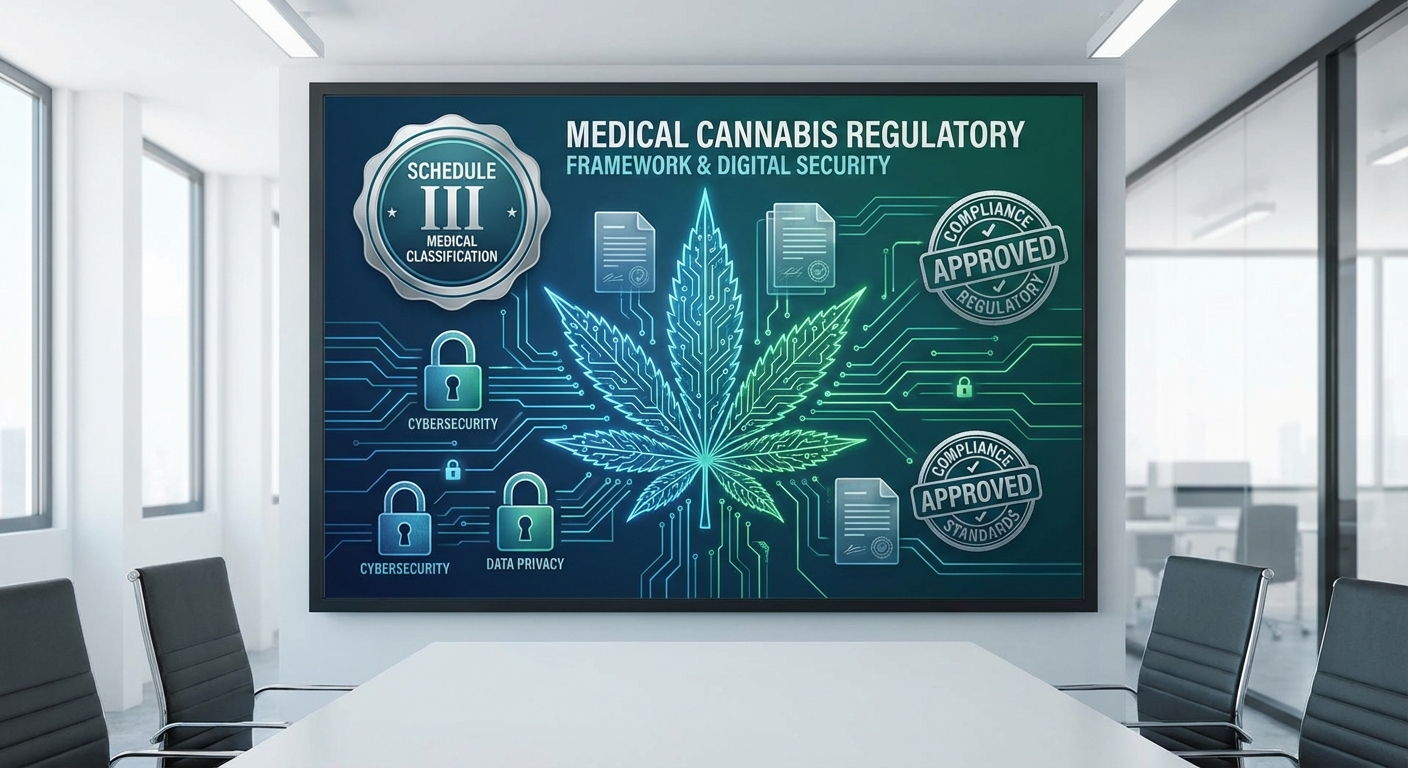
President Trump's December 2025 executive order has put cannabis rescheduling on the fast track. Here's what the shift from Schedule I to Schedule III means for your security, compliance, and operations—and what you need to do before the rules take effect.
The Rescheduling Is Happening—And Soon
On December 18, 2025, President Trump signed an executive order directing the Department of Justice to expedite the rescheduling of marijuana from Schedule I to Schedule III under the Controlled Substances Act (CSA). This wasn't a suggestion—it was a mandate to complete a process that had been grinding through regulatory bureaucracy since the DEA proposed the rule change in May 2024.
The DEA confirmed on January 6, 2026, that administrative steps must still be followed, but the political will has shifted dramatically. Legal experts now expect a final rule to take effect sometime in 2026, most likely by mid-year.
For cannabis operators, this isn't just regulatory news—it's a fundamental shift in how you'll need to run your business. The immediate headlines will focus on tax relief and banking access, but the operational reality is more complex: Schedule III status brings federal oversight, new compliance requirements, and cybersecurity obligations that don't currently apply to state-legal cannabis businesses.
If you're not preparing now, you'll be playing catch-up while competitors who planned ahead thrive under the new framework.
 CannaSecure
What Schedule III Actually Means for Cannabis
Let's cut through the noise and understand what rescheduling does—and doesn't—do.
What Schedule III Changes
Tax Treatment (IRC Section 280E Relief)
The most immediate financial impact: cannabis businesses will finally be able to deduct ordinary business expenses. Under Schedule I, Section 280E of the Internal Revenue Code prohibits any deductions for businesses "trafficking" in Schedule I or II substances. Many cannabis operators have faced effective tax rates of 70%+ because they couldn't deduct rent, payroll, or operating expenses.
Moving to Schedule III eliminates this penalty. The IRS is expected to issue guidance on the effective date—whether relief applies retroactively to 2025 or only prospectively starting in 2026 will depend on when the final rule takes effect and how the IRS interprets the transition.
Federal Recognition of Medical Use
Schedule III classification formally acknowledges that cannabis has "accepted medical use" under federal law. This opens doors for research, potential FDA pathways, and eventually, insurance coverage discussions.
Banking and Capital Markets Environment
While rescheduling alone doesn't create a legal safe harbor for banks (that requires legislation like the SAFER Banking Act), it dramatically changes the risk calculus. More financial institutions will explore cannabis clients when the Schedule I stigma is removed.
What Schedule III Doesn't Change
State Markets Remain Separate
Rescheduling does not federally legalize existing state cannabis programs. Your state dispensary won't suddenly become a federally licensed pharmacy. The "closed system" of the CSA still applies—DEA-registered manufacturers, distributors, and dispensers operate under federal rules separate from state licensing.
Interstate Commerce
Moving products across state lines remains prohibited. Schedule III doesn't create a national market.
FDA Requirements
Rescheduling doesn't exempt cannabis from FDA regulations. If cannabis products seek FDA approval (for specific medical indications), they must meet the same safety and efficacy standards as any other drug.
New Compliance Requirements Coming
Here's where many cannabis operators are underestimating the impact: Schedule III substances are heavily regulated by the DEA. If you've been operating under state-only oversight, federal compliance will be a significant adjustment.
DEA Registration Requirements
Under the CSA's "closed system," anyone handling Schedule III controlled substances must:
- Register with the DEA (separate from state licensing)
- Maintain detailed recordkeeping and reporting to DEA
- Implement diversion control programs
- Submit to DEA inspections and audits
Currently, state-licensed cannabis businesses operate outside this system because Schedule I marijuana isn't recognized for any legitimate purpose. Schedule III changes that calculus entirely.
The Open Question: Will existing state operators be required to obtain DEA registration, or will the federal government create a parallel framework? This is the trillion-dollar regulatory question that's still being debated. Monitor DEA guidance closely.
Recordkeeping Under 21 CFR Part 1304
DEA-regulated entities must maintain detailed records including:
| Requirement | Specification |
|---|---|
| Inventory | Biennial physical inventory (every 2 years), plus initial inventory |
| Transaction Records | Every receipt, sale, delivery, and disposal documented |
| Retention Period | Minimum 2 years (many states require longer) |
| Format | Readily retrievable—paper or electronic systems acceptable |
| Discrepancy Reporting | Any theft, loss, or significant discrepancy must be reported to DEA |
For cannabis businesses already tracking inventory through seed-to-sale systems like METRC, much of this data exists—but the format, retention requirements, and reporting obligations will need adjustment.
Security Standards (21 CFR Part 1301)
DEA security requirements for Schedule III-V substances are less stringent than Schedule I-II, but still substantial:
Physical Security Controls
- Controlled substances must be stored in a securely locked, substantially constructed cabinet or equivalent
- Access must be limited to specifically authorized employees
- Facilities must have adequate controls to prevent theft and diversion
Employee Screening
- Background checks for employees with access to controlled substances
- Procedures for revoking access when employees are terminated
Reporting Obligations
- Report any theft or significant loss to DEA within one business day of discovery
- Maintain records of all security incidents
Prescription Requirements
If cannabis is dispensed under Schedule III for medical purposes, federal law requires valid prescriptions from authorized practitioners. This differs dramatically from current state "recommendations" that don't meet federal prescription standards.
What this means practically: Medical cannabis programs may need to restructure how physicians authorize patient access. The informal "certification" model used in many states won't satisfy federal prescription requirements.
Cybersecurity Implications
This is where things get serious for IT and security teams. Federal oversight brings federal expectations for data protection—expectations that many cannabis businesses aren't currently meeting.
CSOS (Controlled Substances Ordering System)
The DEA's Controlled Substances Ordering System (CSOS) enables electronic ordering of controlled substances. While CSOS is currently optional for Schedule III-V (required only for Schedule I-II), as cannabis enters the regulated supply chain, expect increasing requirements for electronic documentation and digital verification.
CSOS Requirements Include:
- PKI Digital Certificates: Each purchaser must enroll with DEA to acquire a CSOS digital certificate
- Digital Signatures: Orders must be cryptographically signed
- Secure Transmission: Orders transmitted electronically must meet DEA security standards
- Certificate Management: Organizations must maintain certificate validity and revoke access when personnel change
If you're currently managing orders through state track-and-trace systems without robust cryptographic controls, this is a significant upgrade.
ARCOS Reporting
The DEA's Automation of Reports and Consolidated Orders System (ARCOS) tracks the flow of controlled substances from manufacturer to dispenser. Schedule III substances require ARCOS reporting at multiple points in the supply chain.
Data Requirements:
- Transaction date, quantity, and product identification
- DEA registration numbers for all parties
- Secure transmission to DEA systems
Data Protection Standards
While the DEA doesn't mandate specific cybersecurity frameworks, the practical requirements create implicit standards:
Access Control
- Only authorized personnel may access controlled substance records
- Access logs must be maintained
- Role-based access appropriate to job function
Audit Trails
- All access to records must be logged
- Modifications must be traceable to specific users
- Audit logs must be tamper-evident
Data Integrity
- Records must be accurate and complete
- Electronic systems must prevent unauthorized alterations
- Backup and recovery procedures required
System Security
- Protection against unauthorized access
- Encryption for data transmission (especially for CSOS)
- Regular security assessments
The HIPAA Question
Here's where medical cannabis gets complicated. If cannabis is dispensed under Schedule III with legitimate prescriptions, patient health information becomes involved in ways that may trigger HIPAA obligations.
Current State: Medical cannabis dispensaries occupy a gray area. Most are not "covered entities" under HIPAA because they don't conduct "covered transactions" (standard electronic healthcare claims). However:
- States like Illinois explicitly require HIPAA compliance for medical dispensaries
- Cannabis clinics providing evaluations and ongoing care may already be covered entities
- Washington's My Health My Data Act covers cannabis health data regardless of HIPAA status
Post-Rescheduling: If medical cannabis moves toward insurance coverage or integration with healthcare systems, HIPAA applicability expands significantly. Patient information shared with healthcare providers, pharmacies, and insurers becomes protected health information (PHI) subject to the Privacy and Security Rules.
Prepare Now:
| HIPAA Requirement | Action Item |
|---|---|
| Risk Assessment | Conduct formal security risk assessment of all systems handling patient data |
| Policies & Procedures | Document privacy and security practices |
| Training | Train all workforce members on PHI handling |
| Business Associate Agreements | Identify all vendors with access to patient data; execute BAAs |
| Breach Notification | Establish procedures for identifying and reporting breaches |
| Technical Safeguards | Encryption, access controls, audit logging for electronic PHI |
Recommendation: Even if HIPAA doesn't technically apply to your operation today, adopting HIPAA-equivalent practices protects you from regulatory surprises and demonstrates mature data governance to patients, partners, and regulators.
Banking and Financial System Changes
The tax relief gets the headlines, but banking access is where rescheduling creates operational transformation.
Current Banking Challenges
Cannabis businesses have operated as cash-intensive operations not because they prefer it, but because banks won't touch them. Federal anti-money laundering laws, Bank Secrecy Act requirements, and regulatory guidance have made most financial institutions unwilling to risk serving cannabis clients.
The result:
- Massive security risks from on-site cash storage
- Higher theft and robbery rates
- Inability to accept credit cards (limiting sales)
- No access to business loans or lines of credit
- Limited ability to process payroll normally
How Rescheduling Changes the Calculus
Rescheduling doesn't automatically open banking access—the legal framework for financial institutions serving cannabis businesses still needs congressional action (SAFER Banking Act, CLIMB Act). However, Schedule III status:
- Reduces regulatory risk for banks evaluating cannabis clients
- Creates political momentum for banking legislation
- May prompt regulatory guidance from FinCEN clarifying acceptable practices
Major banks have indicated they would revisit cannabis policies following rescheduling. Credit unions and regional banks that have cautiously served cannabis may expand services.
Cybersecurity Implications of Banking Access
Ironically, improved banking access creates new cybersecurity requirements:
Payment Card Industry Data Security Standard (PCI DSS)
If you accept credit cards, PCI DSS compliance becomes mandatory. Requirements include:
- Secure network architecture
- Cardholder data protection
- Vulnerability management
- Access control measures
- Regular monitoring and testing
- Information security policies
ACH and Wire Transfer Controls
Electronic payment processing requires:
- Secure banking portals and multi-factor authentication
- Fraud detection and transaction monitoring
- Segregation of duties for financial transactions
Financial Reporting Systems
Integration with banking partners requires secure data exchange:
- API security for accounting software integrations
- Encrypted transmission of financial data
- Audit trails for all financial transactions
From Cash Security to Digital Security
Many cannabis operators have invested heavily in physical security—armed guards, reinforced vaults, armored transport—to protect cash. As banking access expands, the threat model shifts:
| Cash-Based Threats | Digital-Based Threats |
|---|---|
| Armed robbery | Business email compromise |
| Employee theft (physical) | Account takeover |
| Cash-in-transit attacks | Wire fraud |
| Vault security | Ransomware |
| Counterfeit currency | Payment card fraud |
Your security investments will need to pivot accordingly. The guard at the door matters less; the firewall and access controls matter more.
What to Do Now to Prepare
Don't wait for the final rule. The businesses that thrive post-rescheduling will be those that prepared before it took effect.
Immediate Actions (Next 30 Days)
1. Assess Your Current Compliance Posture
Conduct an internal audit of your:
- Inventory management and recordkeeping systems
- Physical security controls
- Employee access management
- Data protection practices
Identify gaps between current practices and DEA requirements outlined above.
2. Engage Legal and Tax Advisors
The 280E transition is complex. Work with cannabis-specialized attorneys and CPAs to:
- Evaluate retroactive vs. prospective tax relief scenarios
- Review pending IRS obligations and potential offers in compromise
- Understand how rescheduling affects pending litigation
3. Document Everything
Start maintaining DEA-style records now, even if not required. This creates:
- Operational muscle memory for your team
- Historical data that may be required during transition
- Evidence of good-faith compliance efforts
Medium-Term Actions (60-90 Days)
4. Upgrade Inventory Systems
Ensure your seed-to-sale or inventory management system can:
- Generate reports in formats DEA may require
- Maintain appropriate retention periods
- Produce audit trails for regulatory inspection
- Interface with federal systems like ARCOS (if required)
5. Implement Cybersecurity Fundamentals
If you haven't already:
- Enable multi-factor authentication on all systems
- Encrypt data at rest and in transit
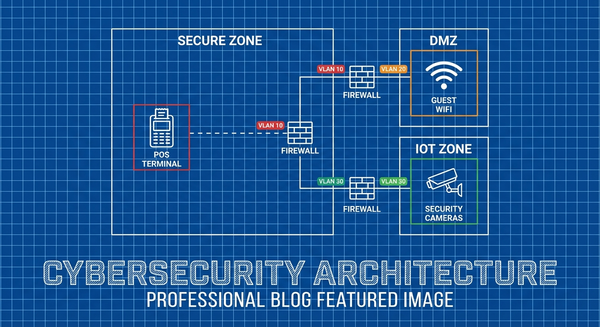
- Implement network segmentation separating operational systems from business systems
- Establish backup and disaster recovery procedures
- Conduct a vulnerability assessment
6. Prepare for Banking Relationships
Position yourself as a desirable banking client:
- Organize financial records and statements
- Document AML/KYC compliance procedures
- Prepare for enhanced due diligence questions
- Consider engaging a financial compliance consultant
Strategic Actions (90+ Days)
7. Evaluate HIPAA Compliance (Medical Operations)
If you operate medical dispensaries:
- Conduct a HIPAA Security Risk Assessment
- Develop Privacy and Security policies
- Train workforce on PHI handling
- Inventory business associates and execute agreements
8. Build Relationships with Federal Regulators
As the industry transitions, early engagement can be valuable:
- Monitor DEA guidance and comment opportunities
- Participate in industry associations tracking federal developments
- Consider proactive outreach to understand registration expectations
9. Develop an Incident Response Plan
Federal oversight means federal scrutiny of security incidents:
- Document procedures for detecting and responding to breaches
- Establish reporting timelines (DEA requires theft/loss reporting within one business day)
- Test incident response with tabletop exercises
- Identify legal counsel experienced in federal controlled substance matters
Timeline and What to Watch
Expected Milestones
| Timeframe | Expected Development |
|---|---|
| Q1 2026 | DEA completes administrative process on rescheduling rule |
| Q1-Q2 2026 | Final rule published in Federal Register |
| Q2 2026 | Effective date of rescheduling (potentially) |
| Q2-Q3 2026 | IRS guidance on 280E transition |
| 2026 | Potential congressional action on SAFER Banking Act |
| November 2026 | New hemp THC concentration definition takes effect |
Key Indicators to Monitor
DEA Communications
- Proposed rulemaking updates
- Guidance documents for cannabis operators
- Registration process announcements
IRS Guidance
- Revenue rulings on 280E effective date
- Transition period guidance
- Amended return procedures
FinCEN/Banking Regulators
- Updated guidance on cannabis banking
- Bank Secrecy Act interpretations
- State banking regulator positions
Congressional Activity
- SAFER Banking Act progress
- CLIMB Act developments
- Any legislation affecting cannabis federal status
Court Cases
- Challenges to rescheduling rule
- Litigation that could delay implementation
The Litigation Risk
Not everyone supports rescheduling. Expect challenges:
- Drug policy organizations opposed to normalization
- Competitors (pharmaceutical companies?) seeking delays
- Procedural challenges to the administrative process
The December 2025 executive order sought to expedite rescheduling, but the administrative record must support the decision. Courts could intervene. Plan for multiple scenarios, including a final rule that becomes effective without interruption and alternatives where litigation delays implementation.
The Bottom Line
Cannabis Schedule III rescheduling is coming—likely in 2026. The tax relief will help your bottom line, and banking access will reduce operational headaches. But don't mistake this for deregulation.
 CannaSecure
You're trading state-only oversight for a hybrid state-federal compliance environment. DEA registration, recordkeeping, security requirements, and potential HIPAA obligations will add complexity to your operations. The businesses that prepare now will be positioned for success; those that wait will scramble.
Your Action Plan:
- Assess your current compliance gaps against DEA requirements
- Document your inventory, transactions, and security controls at DEA standards—starting today
- Upgrade your cybersecurity fundamentals (MFA, encryption, access controls)
- Engage legal, tax, and compliance advisors familiar with federal controlled substance regulations
- Monitor DEA, IRS, and congressional developments closely
- Plan for multiple scenarios and timelines
The cannabis industry has always required operators to adapt quickly to changing regulations. This is the biggest regulatory shift yet—and the stakes for getting compliance right have never been higher.
This article provides general information and does not constitute legal, tax, or compliance advice. Consult with qualified professionals for guidance specific to your situation.
Have questions about preparing for Schedule III compliance? Contact us for a consultation.