Psychedelics Decriminalization Trends in 2025: A Surge in Reform Amid Growing Evidence


 CannaSecure
As of December 20, 2025, the psychedelics decriminalization movement is accelerating, particularly in the United States, with a focus on therapeutic access rather than full recreational legalization. Driven by mounting evidence of benefits for mental health issues like PTSD, depression, and addiction, states are advancing regulated models, while global developments, such as the Czech Republic's pioneering medical psilocybin program, signal broader acceptance. However, federal barriers persist, and debates emphasize safety, equity, and rigorous research.
United States: State-Level Progress and Challenges
In the US, six states and six cities have decriminalized psychedelics, with over 100 additional cities and several states pursuing similar measures. This year has seen significant legislative activity, including research facilitation and task force recommendations.
- California: Governor Gavin Newsom signed Assembly Bill 1103 in October 2025, expediting state reviews for research on Schedule I substances like psychedelics through 2028. This aims to accelerate studies on conditions such as opioid use disorder and PTSD, especially for veterans.
- Massachusetts: A November 2025 hearing reviewed competing bills: H.2203 for broad psilocybin access and H.4200 for a supervised pilot program. Experts like Dr. Franklin King advocated for evidence-based approaches, while law enforcement supported reform due to out-of-state travel for treatment. This follows the 2024 ballot measure's failure.
- Maryland: A December 2025 task force report recommends an "Ensemble Model" for psilocybin, combining commercial sales, supervised adult-use centers, medical access for qualifying conditions, and penalty deprioritization. It includes safeguards like education, screening, and expungements, drawing from Oregon's model.
- Oregon and Colorado: Oregon's psilocybin program, operational since 2023, has served thousands but faces high costs and center closures (down to ~24). Colorado issued first licenses in 2025 for facilitated sessions. Travel to these states for psychedelics is increasing.
- Other States: Alaska advanced a psychedelics initiative in December. New Hampshire pre-filed 2026 bills for psychedelics. Hearings occurred in Kentucky, Mississippi, New York, and the U.S. Senate. Cities like Tacoma and Olympia, WA, decriminalized natural psychedelics.
Federal updates include VA officials discussing psychedelics and RFK Jr. (Trump's HHS pick) disclosing ongoing use and talks with governors. A November 2025 study showed no increase in hallucinogen-related hospital admissions post-decriminalization. Public positivity on drug progress hit a high, per Gallup.
Projections suggest over a dozen states could cease enforcement by continuing decriminalization trends. However, full legalization remains elusive, with emphasis on regulated therapy.
Global Developments: Czech Republic Leads Europe
Internationally, the Czech Republic legalized medical psilocybin in May 2025, with regulations approved in December, allowing prescriptions by trained doctors starting January 1, 2026—the first in Europe. This targets cancer and treatment-resistant depression.
- Australia: Leads in medical access since 2023 for psilocybin (depression) and MDMA (PTSD); 2025 saw MDMA therapy guidelines consultations.
- Canada: Offers compassionate exemptions for psilocybin in palliative care; research grows.
- Europe: Pilots in Switzerland and Netherlands; decriminalization in Portugal, Czechia (pre-2025), and Spain.
- Other: Traditional uses in Jamaica, Brazil, Peru; ibogaine unregulated in some areas.
Therapy, Market, and Debates
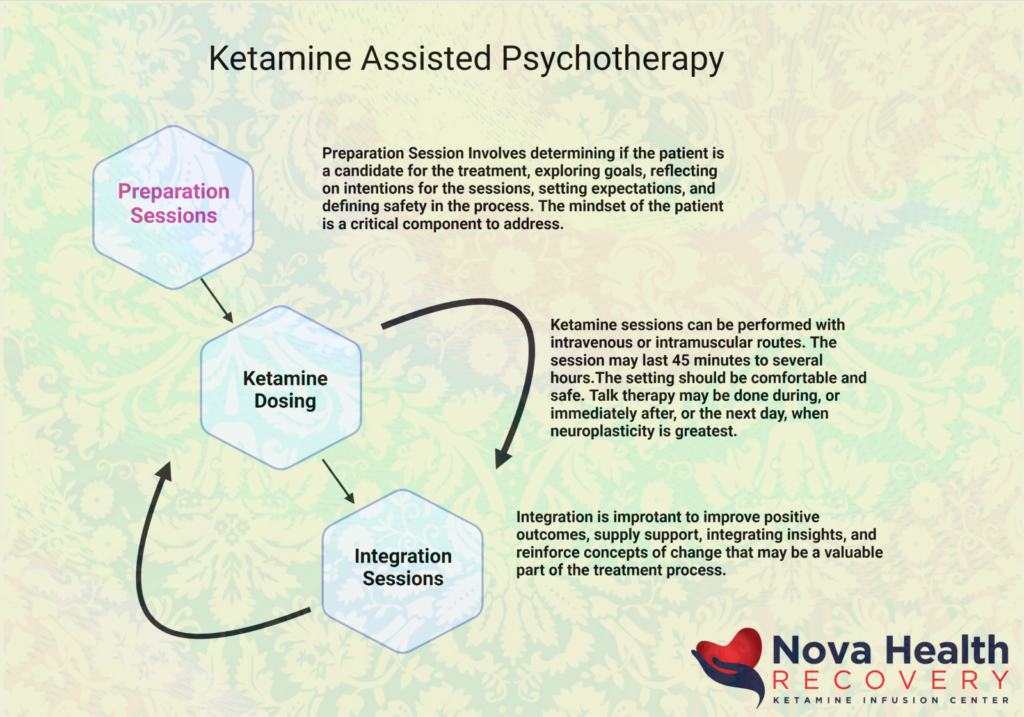
Psychedelic-assisted therapy (PAT) advances, with substances like psilocybin, MDMA, LSD, and ketamine showing promise for long-term effects. Therapist training scales from hundreds to potentially 50,000 in a decade. Market opportunities target 900 million affected by mental disorders, with cost savings from effective treatments.
Debates highlight healing potential (e.g., for veterans) versus risks and need for studies. Experts urge middle-ground regulation, avoiding cannabis commercialization pitfalls. Trends include ethics, safety, and ibogaine focus. D.C. emerges as a psychedelic hub.
Outlook for 2026 and Beyond
With public and medical support (two-thirds of professionals back easing restrictions), predictions indicate majority US state reforms by 2033–2037. Challenges: equity, costs, insurance. Always check local laws—federal prohibition lingers.
 CannaSecure
 CannaSecure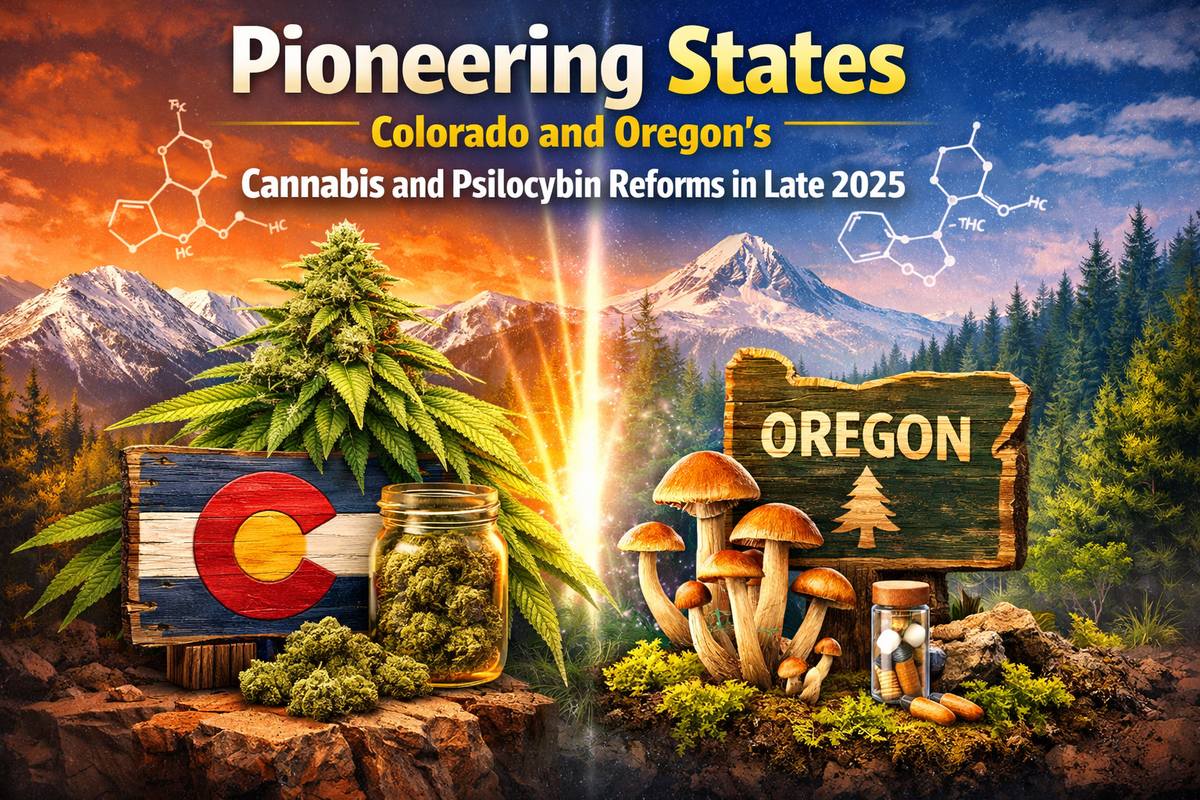
Scientific Research on Psilocybin: Key Findings and Developments as of Late 2025
Psilocybin, the active compound in certain "magic" mushrooms, has been the subject of rigorous scientific investigation since the mid-20th century, with a resurgence in research following regulatory shifts and promising early results. Modern studies, primarily conducted in controlled clinical settings, focus on its potential therapeutic effects via psychedelic-assisted therapy—typically involving one or two doses combined with psychotherapy. Research demonstrates safety in regulated environments, with effects mediated through serotonin 5-HT2A receptors, promoting neuroplasticity, reduced default mode network activity, and profound psychological insights. Below, I summarize major areas of research, drawing from clinical trials, mechanistic studies, and recent 2025 advancements.
Mental Health Applications
Psilocybin has shown strong evidence for treating mood disorders, often with rapid and sustained effects compared to traditional antidepressants.
- Depression: A landmark 2020 Johns Hopkins study found that two doses of psilocybin with supportive psychotherapy led to rapid reductions in depressive symptoms in adults with major depression, with half achieving remission at four weeks. A 2022 follow-up indicated effects lasting at least a year for most participants. In a 2025 long-term analysis of a 2019–2020 trial involving 24 participants (aged 21–75), two-thirds remained depression-free five years post-treatment, with no serious side effects reported—though limitations include lack of a placebo group and concurrent antidepressant use in some. Yale researchers in 2025 highlighted psilocybin's potential as a breakthrough, supported by growing evidence for treatment-resistant depression (TRD), but cautioned against overhyping without more data.
- Anxiety: A 2016 Johns Hopkins double-blind study showed a single high dose provided relief from cancer-related anxiety or depression for up to six months in most participants. Ongoing UCSF trials in 2025 are testing psilocybin for depression in Parkinson's disease patients.
- PTSD and Other: Emerging data suggest benefits for PTSD, with mechanisms involving reduced claustrum activity (from a 2020 Hopkins brain imaging study), leading to diminished ego and increased connectedness. A 2025 Lancet review calls for further integration into mental health care, emphasizing areas like dosing and equity.
Addiction Treatment
Psilocybin aids in breaking addictive cycles by fostering behavioral change through mystical experiences.
- A 2014 Hopkins pilot study combined psilocybin with cognitive behavioral therapy, helping longtime smokers quit after multiple failed attempts. A 2019 survey of over 300 individuals with alcohol use disorder reported reduced consumption post-psilocybin. Current Hopkins trials, funded by a 2021 NIH grant (first in 50+ years for psychedelics), explore psilocybin for opioid addiction and alcohol use in depression.
Pain Management
A 2025 Penn Medicine study in mice with chronic nerve/inflammatory pain found a single psilocybin dose reduced pain and associated anxiety/depression for nearly two weeks. Mechanisms involve partial activation of serotonin receptors (5-HT2A/1A) in the anterior cingulate cortex (ACC), calming pain-processing neurons and elevating mood circuits—bypassing injury sites. Implications include non-opioid alternatives for the 1.5 billion affected by chronic pain-depression cycles. UCSF's 2025 trials are investigating psilocybin for chronic low back pain.
Emerging Research: Aging and Longevity
A groundbreaking 2025 study from Emory/Baylor (published in npj Aging) provided the first evidence of psilocybin's geroprotective effects. In human cell models (fetal lung and adult skin fibroblasts), psilocin extended lifespan by up to 57% (dose-dependent, 10–100 μM), delaying senescence, preserving telomeres, reducing oxidative stress, and modulating markers like increased SIRT1/Nrf2 and decreased p16/p21. In aged female mice (19 months old), monthly psilocybin (5–15 mg/kg) improved survival (80% vs. 50%) and fur quality over 10 months. This supports the "psilocybin-telomere hypothesis," linking to long-term psychiatric benefits, with implications for age-related diseases—though more mechanistic (e.g., 5-HT2A-SIRT1 pathway) and human studies are needed.
Other Conditions and Ongoing Trials
- Hopkins is studying psilocybin for Alzheimer's, post-treatment Lyme disease, anorexia nervosa, and more. Early data also suggest efficacy for cluster headaches.
- Globally, over 100 clinical trials are active, with FDA breakthrough designations for TRD (e.g., COMPASS Pathways' phase 3 trials).
Safety, Mechanisms, and Limitations
Research consistently shows low toxicity and addiction risk in supervised settings, with common side effects like transient anxiety or nausea. Mechanisms include enhanced brain connectivity and neuroplasticity. However, studies often lack long-term controls, and risks (e.g., in vulnerable populations) require caution. A 2006 Hopkins study established that guided sessions produce enduring positive changes in attitudes and behavior.
Psilocybin research is expanding rapidly, funded by institutions like NIH and private sources, with 2025 marking advances in pain, aging, and long-term efficacy. For the latest trials, check ClinicalTrials.gov.
 CannaSecure