The Cannabis Network Segmentation Blueprint: Isolating POS, Compliance, and Guest WiFi

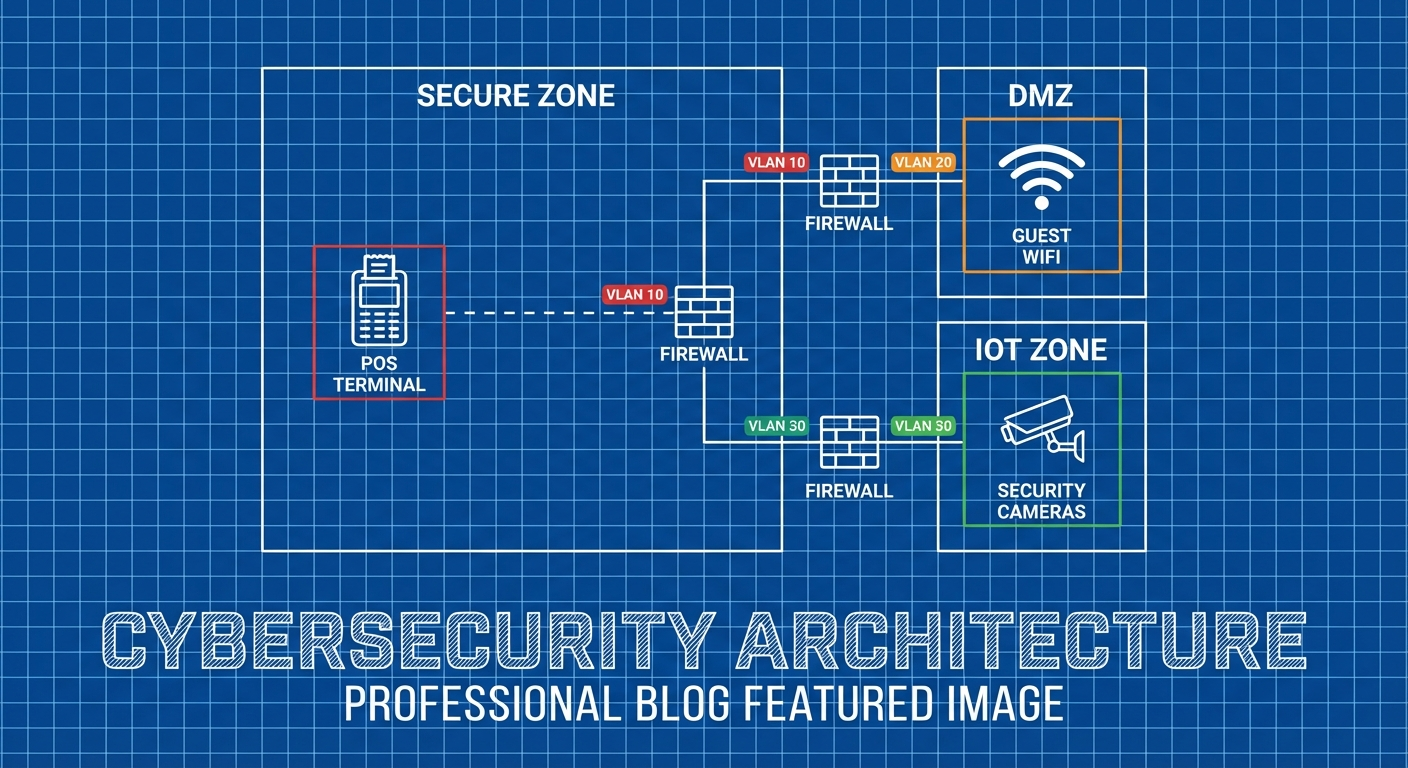
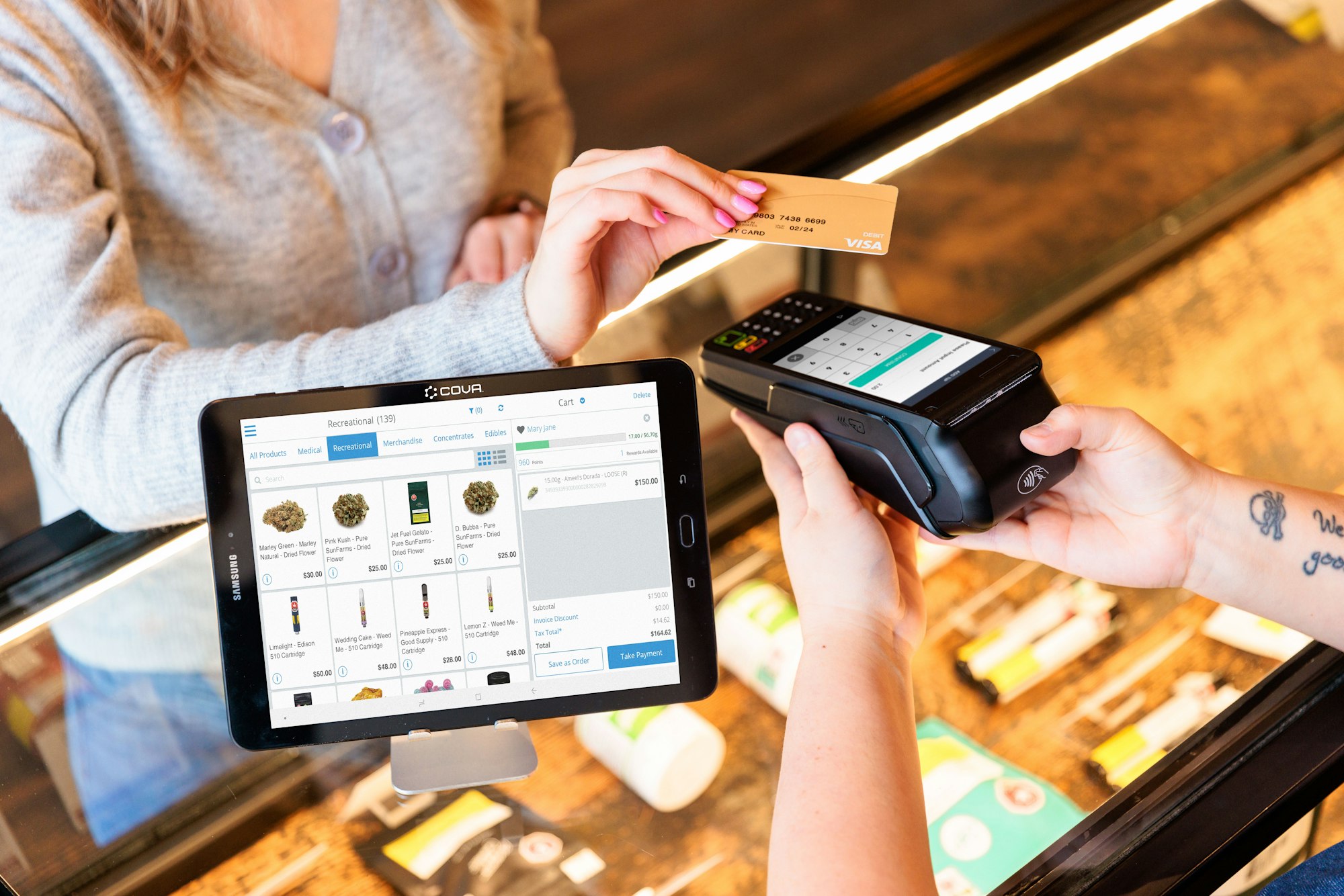
Your point-of-sale, METRC compliance systems, and customer WiFi should never share the same network. Here's how to architect secure network separation for cannabis operations.
Why Network Segmentation Matters
The STIIIZY breach didn't happen because of weak passwords or missing antivirus. It happened because an attacker who compromised a POS vendor had access to everything—customer data, payment systems, and the network pathways connecting them.
Network segmentation could have limited that damage. Instead of one breach exposing everything, segmentation creates boundaries. An attacker who compromises your guest WiFi can't pivot to your POS. Malware on a budtender workstation can't reach your compliance systems.
Think of it like compartments on a ship. A leak in one compartment doesn't sink the whole vessel.
 CannaSecure
What's at Stake
In a flat (non-segmented) cannabis network, one compromise can expose:
- POS systems and payment data
- Customer database (IDs, medical info, purchase history)
- METRC credentials and compliance data
- Security cameras and access control
- Employee information
- Financial systems
- Everything else on your network
With proper segmentation, each of these systems is isolated. Attackers have to work much harder to move between segments, and you have more opportunities to detect them.
The Segmentation Framework
A properly segmented cannabis network should have distinct zones for different security requirements.
Zone Architecture
                         ┌─────────────────────────────────────────┐
                         │              INTERNET                   │
                         └──────────────────┬──────────────────────┘
                                            │
                                      ┌─────▼─────┐
                                      │  Firewall │
                                      └─────┬─────┘
                                            │
            ┌───────────────────────────────┼───────────────────────────────┐
            │                               │                               │
     ┌──────▼──────┐               ┌────────▼────────┐              ┌──────▼──────┐
     │    DMZ      │               │    INTERNAL     │              │   GUEST     │
     │   Zone      │               │    NETWORK      │              │   WIFI      │
     └─────────────┘               └────────┬────────┘              └─────────────┘
                                            │
            ┌───────────────────────────────┼───────────────────────────────┐
            │                               │                               │
     ┌──────▼──────┐               ┌────────▼────────┐              ┌──────▼──────┐
     │    POS      │               │   COMPLIANCE    │              │  CORPORATE  │
     │   SEGMENT   │               │    SEGMENT      │              │   SEGMENT   │
     └─────────────┘               └─────────────────┘              └─────────────┘
Segment Definitions
DMZ (Demilitarized Zone)
Internet-facing systems that must be accessible from outside:
- E-commerce web servers
- VPN concentrators
- Email gateways
- Public-facing APIs
Guest WiFi
Completely isolated network for customers:
- No access to internal systems
- Internet access only
- Bandwidth limited
- Cannot see other devices on the segment
POS Segment
Isolated network for point-of-sale operations:
- POS terminals
- Payment processing devices
- Receipt printers
- Barcode/ID scanners
Compliance Segment
Systems handling regulatory data:
- METRC workstations
- Seed-to-sale tracking
- Compliance reporting systems
- Audit documentation
Corporate Segment
General business operations:
- Employee workstations
- Productivity applications
- General file storage
Security Segment (Not shown—often on separate physical network)
- Security cameras (NVR/DVR)
- Access control systems
- Alarm systems
- Intrusion detection
Implementing Segmentation
Option 1: VLAN Segmentation
VLANs (Virtual Local Area Networks) are the most common approach for small to medium operations. They use existing network equipment to create logical separation.
 CannaSecure